These podcast episodes need some love. Please take a listen:
Monday, February 25, 2013


Tuesday, February 12, 2013
CineKink Announces Kinky Line-Up for Tenth Annual Film Festival
NEW YORK, NY; February 12, 2013 - CineKink NYC returns for its tenth anniversary appearance on Tuesday, February 26th, bringing with it a specially-curated program of films and videos that celebrate and explore a wide diversity of sexuality. In addition to screenings, plans for the festival also include a short film competition, presentations, audience choice awards, a fund-raising kick-off gala and a concluding afterglow party.
Billing itself as "the kinky film festival," the event will run February 26-March 3, 2013. Presented by CineKink, an organization dedicated to the recognition and encouragement of sex-positive and kink-friendly depictions in film and television, works presented at CineKink NYC will range from documentary to drama, comedy to experimental, mildly spicy to quite explicit - and everything in between.
The kink-filled festivities begin Tuesday, February 26th, at 8 PM, with a fundraising kick-off extravaganza to be held at Taj (48 W. 21st Street, NYC), a pansexual celebration that, in addition to music and sexy performances, offers several cinematic gems up on the screen.
The festival then moves to Anthology Film Archives (32 Second Avenue, NYC), Wednesday, February 27 through Saturday, March 2, with several different film and video programs scheduled for each day.
An awards celebration and an AfterGlow play party complete the festivities on Sunday, March 3.
WEDNESDAY
Among the headliners, first up on Wednesday, February 27 at 7:00 PM, the festival's CineKink Season Opener screening of REMEDY, based on writer/director Cheyenne Picardo’s personal experiences, follows a young woman into the dungeons of New York City and the world of professional domination and submission. Then, at 9:30 PM, MOTHER IS COMING is a raunchy, romantic sex comedy set in the edgy and gender-bending underground of Berlin.
THURSDAY
On Thursday, February 28 at 6:30 PM, a special sneak preview of BETTIE PAGE REVEALS ALL provides an intimate look at the rise, fall, and rise again of one of the world’s most recognized and controversial sex symbols. Then, at 9:30 PM, a collection of short works, STRANGE LIVE ACTS, explores the relationship between pain and pleasure, performance and transcendence.
FRIDAY
On Friday, March 1 at 6:30 PM, SEXING THE TRANSMAN explores the sexuality of transmen and the changes they experience as a result of their gender transitions from female to male. At 8:30 PM, in HOOKING UP, a hot mix of hot shorts looks at the magic of getting together and (maybe) getting it on. And at 10:30 PM, DAREDOLLS AND RUBBERSLUTS is a shiny collection of shiny works, all sharing a certain textile fixation.
SATURDAY
Kicking off Saturday, March 2 at 1:00 PM, feminist pornographer Tristan Taormino takes the stage in THE FEMINIST PORN SHOW, introducing the concept of feminist porn and playing a selection of short clips she has curated from filmmakers around the world.
At 2:30 PM the discussion continues, as THE FEMINIST PORN PANEL explores what feminist porn is, how it relates to the mainstream adult industry, and some personal experiences creating, performing, or studying it.
At 4:30 PM, a special industry showcase, BRING IT!, features a dazzling array of talent from today's adult cinema, each representing a wide range of genres and visual styles, all stepping up with a hot sampling of their recent creative endeavors.
At 7:15 PM, RELEASE is a taut and sexy collection of shorts that play with the dynamics found between build-up… and relief.
And at 9:30 PM, in the festival’s Closing Night Tribute, it’s a meticulously restored version of Radley Metzger’s THE OPENING OF MISTY BEETHOVEN, widely considered to be the greatest adult film of all time and the apex of porno chic
SUNDAY
CineKink NYC concludes the evening of Sunday, March 3 at 6:00 PM, with an Awards Celebration, including presentation of the annual festival awards, to be followed at 9:00 PM by the CineKink Afterglow Party, one last chance to mingle with like-minded festival-goers and enjoy a few additional screenings, this time in a relaxed play party setting. The locations for both events will be announced at a later date.
For more information, visit http://cinekink.com.
Billing itself as "the kinky film festival," the event will run February 26-March 3, 2013. Presented by CineKink, an organization dedicated to the recognition and encouragement of sex-positive and kink-friendly depictions in film and television, works presented at CineKink NYC will range from documentary to drama, comedy to experimental, mildly spicy to quite explicit - and everything in between.
The kink-filled festivities begin Tuesday, February 26th, at 8 PM, with a fundraising kick-off extravaganza to be held at Taj (48 W. 21st Street, NYC), a pansexual celebration that, in addition to music and sexy performances, offers several cinematic gems up on the screen.
The festival then moves to Anthology Film Archives (32 Second Avenue, NYC), Wednesday, February 27 through Saturday, March 2, with several different film and video programs scheduled for each day.
An awards celebration and an AfterGlow play party complete the festivities on Sunday, March 3.
WEDNESDAY
Among the headliners, first up on Wednesday, February 27 at 7:00 PM, the festival's CineKink Season Opener screening of REMEDY, based on writer/director Cheyenne Picardo’s personal experiences, follows a young woman into the dungeons of New York City and the world of professional domination and submission. Then, at 9:30 PM, MOTHER IS COMING is a raunchy, romantic sex comedy set in the edgy and gender-bending underground of Berlin.
THURSDAY
On Thursday, February 28 at 6:30 PM, a special sneak preview of BETTIE PAGE REVEALS ALL provides an intimate look at the rise, fall, and rise again of one of the world’s most recognized and controversial sex symbols. Then, at 9:30 PM, a collection of short works, STRANGE LIVE ACTS, explores the relationship between pain and pleasure, performance and transcendence.
FRIDAY
On Friday, March 1 at 6:30 PM, SEXING THE TRANSMAN explores the sexuality of transmen and the changes they experience as a result of their gender transitions from female to male. At 8:30 PM, in HOOKING UP, a hot mix of hot shorts looks at the magic of getting together and (maybe) getting it on. And at 10:30 PM, DAREDOLLS AND RUBBERSLUTS is a shiny collection of shiny works, all sharing a certain textile fixation.
SATURDAY
Kicking off Saturday, March 2 at 1:00 PM, feminist pornographer Tristan Taormino takes the stage in THE FEMINIST PORN SHOW, introducing the concept of feminist porn and playing a selection of short clips she has curated from filmmakers around the world.
At 2:30 PM the discussion continues, as THE FEMINIST PORN PANEL explores what feminist porn is, how it relates to the mainstream adult industry, and some personal experiences creating, performing, or studying it.
At 4:30 PM, a special industry showcase, BRING IT!, features a dazzling array of talent from today's adult cinema, each representing a wide range of genres and visual styles, all stepping up with a hot sampling of their recent creative endeavors.
At 7:15 PM, RELEASE is a taut and sexy collection of shorts that play with the dynamics found between build-up… and relief.
And at 9:30 PM, in the festival’s Closing Night Tribute, it’s a meticulously restored version of Radley Metzger’s THE OPENING OF MISTY BEETHOVEN, widely considered to be the greatest adult film of all time and the apex of porno chic
SUNDAY
CineKink NYC concludes the evening of Sunday, March 3 at 6:00 PM, with an Awards Celebration, including presentation of the annual festival awards, to be followed at 9:00 PM by the CineKink Afterglow Party, one last chance to mingle with like-minded festival-goers and enjoy a few additional screenings, this time in a relaxed play party setting. The locations for both events will be announced at a later date.
For more information, visit http://cinekink.com.
Thursday, January 17, 2013
Cashiers du Cinemart 18: Call for Articles
2013 should bring us the 18th issue of Cashiers du Cinemart. Want to contribute? We're always looking for strong, concise writing about films -- especially those that have a special place in your heart. What movies are you passionate about that more people should see?
Deadlines for the issue are as follows:
Contact me for more details.
Deadlines for the issue are as follows:
- February 28 - Get me your article ideas
- June 30 - Have rough drafts of your piece to me (word docs sent to my gmail)
- August 15 - Final drafts due
Contact me for more details.
Thursday, January 03, 2013
Detroit area filmmaker goes MAD with documentary

When We Went MAD! delves into America's longest running humor publication, MAD magazine. Interviews with MAD magazine's key players, including current and former artists, writers, and editors, When We Went MAD! pays tribute to the institution that has delivered a satiric view of American culture for over sixty years. This retrospective will include fascinating interviews with prominent figures who proudly cite MAD magazine as an influence. Who knew?
The story of MAD magazine is as irreverent as those who created it - from the landmark court case that pitted Irving Berlin against MAD (the case that assured the legality of satire in general) to MAD's maverick publisher, William M. Gaines, who once took his entire staff to Haiti to convince the sole Haitian subscriber to renew. MAD was mad, and we loved it.
Co-producer/director Alan Bernstein, remembers his first foray into Mad-ness. "I was six and found my first issue at a drugstore newsstand. I had no idea what I was looking at: Spy Vs. Spy, Don Martin, the Fold-In. I didn't always get the jokes, but I knew I was looking at the ticket into something special and I wanted in." Bernstein went from casual reader to collector. And from collector to producer.
An experienced filmmaker, Bernstein co-wrote, co-produced, and directed the feature film, One Half Gone. With co-producer Doug Gilford, twenty current and former artists, writers, and editors of MAD have been filmed including:
- Al Jaffee - the inventor of the Fold-In and the feature "Snappy Answers to Stupid Questions"
- Dick Debartolo - the TV show Match Game writer whose work is in every issue of MAD since 1966
- Sergio Aragones - his miniature cartoons filled the margins of MAD for fifty years.
Imagine being part of a project that preserves the voices of the great MAD magazine. Talk it up at parties. Ask your friends where they were when they first read MAD. The conversation (and the intangible benefit of participation in this project) can go on and on. And you can proudly claim, "What, Me Worry?"
Preview the When We Went MAD! Kickstarter site now: http://tinyurl.com/cxhv92s, but be sure to return starting January 10 to become part of the project.
For more information visit www.peebofilm.com/wwwm or www.facebook.com/WhenWeWentMAD
Tuesday, January 01, 2013
My Breakfast with Booger: An Interview with Curtis Armstrong
In the crisp autumn of 2012 I had breakfast with Curtis Armstrong. Best known for his roles in Revenge of the Nerds, Better Off Dead, Moonlighting, and Ray, the Michigan native was being honored at the Blue Water Film Festival. Still actively acting, Armstrong spent a lot of the year working on King of the Nerds, a reality show for TBS. Over eggs and coffee we discussed the new show and some of his past work.
Mike White: I imagine that a lot of the work in reality shows is the editing.

And, on top of that, on something like Survivor which has been on for a long time – people have been addicted to that show for years – and so when they apply to be on [Survivor], they come in with certain preconceptions. But these nerds, being nerds, I don't know if they watch television. So, it's not like they're people who want a career in television (which you get sometimes from those other shows).
MW: Like a Johnny Fairplay or somebody.
CA: Right, you know that somebody's there for that reason. But we have people… one of our women works for the jet propulsion laboratory in Pasadena, and another of them writes calculus textbooks, and we've got one who's a professional gamer, and a guy who's kind of a hermit; he lives in Maine and he's just incredibly brilliant. You just have a lot of people who are… they're all up here [taps forehead].
So, you don't necessarily get quite the predicted responses.
MW: How long did it take to shoot?
CA: It all took a long time but the actual shooting took a month.
MW: Sometimes it's tough to tell with reality shows just how long the time periods are in real life between episodes.
CA: It's hard to really judge that except for the challenges which take place outside. Everything else takes place inside the house so you lose that sense of time. I mean, they tell you what the week is but you wouldn't have a sense of the time passing.
The shooting took a month but all the preparation for that; art direction of the nerd house which was very important to make up this place that was just a nerd heaven. We call it "Nerdvana" and it's just filled with the games and the pop culture and all this stuff – a lot of which I don't really understand. Getting all that stuff set up was just a huge amount of work. Then we shot for a month and now we're only up to episode four in editing. Episode four out of eight. We have the rest of them to go before the show premieres on [Thursday,] January [17, 2013].
MW: How much were you involved with the behind-the-scenes stuff? Did TBS bring you in just as a host?
CA: No, no. [Robert] Carradine and I created this show. We would not have come into this just to be hosts of a reality show. The idea from the beginning with Bobby and me was – we had been talking about it and saying how character actors work from paycheck to paycheck which is fine but when you start putting children in college you start thinking of something a little more substantial. We wanted some investment in something and the only way to do that is to be the creator of the show. We started thinking, "How do you do that?" And this came out of those conversations.
Like all actors we were utterly dismissive of reality television.
MW: For so many years it's been considered the bane of actors.
CA: It is. It absolutely is. And that has not changed. However, when it comes down to actually doing things like getting your children through college you learn to not be quite so harsh about it. You come up with excuses along the way like, "It's not like I'm doing a splatter film or something." You feel crappy about that. You have to make a deal with yourself about it. At least, that would have certainly been the case if we had been offered a hosting job but we decided that this would be something that we would try and they bought it.
As far as being involved, it was really interesting because in this mansion there's a room – the one room they couldn't go to – which was the control room with all the monitors.
MW: I'm picturing that room in The Matrix where The Architect sits.
CA: Yeah. When our job was done as hosts – normally, you're sort of conditioned, you go to your dressing room, you get into your clothes, you sign out, and you go home. Here, I would go to my dressing room and change and go right to the control room. I became obsessed with it. I was really in trouble towards the end. They call it "going down the rabbit hole." I went down the rabbit hole because, I'm telling you, it's just not an experience that I've had before and to see these people was just so compelling. I find them compelling characters. It came down to that; it came down to casting, if you will.
MW: It's funny to hear you say that they are "characters" rather than "people" or even "contestants" because people do fall into these "character" types. They start fulfilling roles. Tell me more about the people you partnered with from Survivor.
CA: It was two companies who came on board. One was Five x Five Media and the other was called Electus which is headed up by Ben Silverman who headed up NBC at one point and he did The Office.
MW: You're at the point now where you've seen all the footage and you know what went on overall. As you're editing these episodes you're already aware of who's going home when and all the things that have gone on up to those points. There are so many times in these shows where an audience thinks, "This guy is being a real shit. If only the host knew about it, he could call them out."
CA: It was a real education for me because I assumed like everyone else that with reality shows there are controllers who are just pulling all the strings.
Nope.
I was amazed. [The people running the show] can ask questions in the interviews to try to get to something but they can't force that and they have no control over the process at all. Once you release [the contestants] within that environment. With the structure of the challenges, they are on their own and it's amazing how dramatic it can be without that structure; without saying "We want to get rid of this one. This one's a problem, we want to get rid of him but we want to keep this one." When people approach it in a linear way – saying what happened from beginning to end – it would make sense in an Agatha Christie And Then There Were None kind of way which ones go first and all that. Well, reality shows don't do that. And yet, it's surprising how close to what you would expect the linear story to be it winds up being naturally.
MW: That's funny. I've always thought that with some reality shows that there's more going on in terms of keeping around characters just for the sake of conflict. I'm thinking of Santino Rice in Project Runway who was a terrific villain, provided great sound bites and great strife.
CA: The thing is, we don't have a system in our show of voting people off. We have challenges and people are eliminated when they lose those. The system is that there's a "Nerd War" and that's followed by a "Nerd Off." The "Nerd War" is between two camps and the "Nerd Off" is where two people are picked to do the second challenge.
MW: What kind of challenges does one give nerds?
CA: I can't go into details about them at this point but they are all over the map. They're all basically kind of nerd-centered. And that "Nerd Off" is what determines who leaves but people aren't voted out by everybody so the drama comes from how they pick the two people who go to the "Nerd Off". And that's something that they can do as a strategic move that everybody is involved with. So, you don't get into any of that deeply nasty stuff that you get one some of the other shows because of that.
MW: Were you a fan of any reality television before you did this?
CA: I had never seen any reality shows! Honestly, I was not that familiar with it. Obviously, I had seen the occasional ones but I don't have time to watch television much. I have a lot of other interests and I don't have that experience of watching a lot of reality TV.
MW: It's nice that you and Robert Carradine have been friends since Revenge of the Nerds.

MW: There was that one and there was one on Comedy Central called Beat the Geeks but that was more of a game show and these guys were more movie and comic book geeks than actual rocket scientists.
CA: We've got all of that. We've got some of both of those. We have comic book collectors. We have actual rocket scientists. We have Batman experts.

MW: In a normal week, how much are you involved in the editing of the show?
CA: I'm not involved in the editing. I come in and watch a screening of the initial cut. Sometimes there will be sound problems that need to be cleared up. You know, just basic sort of techie stuff. But that's just the rough cut. Then it goes to the network and the network has notes and our executives at Five x Five have notes. It's the typical thing when you're editing anything. The thing is for us that we've got so many hours of footage – not only is it twenty four hours a day but it's six cameramen working at once plus room cameras and you have to make decisions about all of that. Then there will be things that will come up and you'll think, "Oh, what a great thing," but then you realize in long term that it's not something great that you can focus on. Mainly because you don't know who's going to go home on an episode and that changes what you're going to focus on. It's confusing to me. I still don't understand how they do it.
MW: When it comes to the exit interviews that are being done with contestants, I can't begin to imagine the psychology that comes into play in getting the answers that are needed for narrative purposes. I imagine there are people on staff whose only job is the exit interviews.
CA: That's just what they do. I mean, Bobby and I had no contact with the nerds. It was all done by the people who know how to do that stuff. And, also, they didn't want relationships developing on the set.
MW: As for your host segments, I know that you've done some writing. Did you pen those yourself?
CA: No. There's not much you can improvise when you're presenting a challenge. You have to make it as clear as possible so that not only do they understand it but that it's clear to the viewer; what they're going to do and what the rules are. That can get complicated. I mean, these aren't potato sack races. You want to err on the side of clarity so everything stays above board.
MW: You spoke a little last night about trying to write for Tarzan [the 1999 animated film from Disney] and then I had seen that you have some credits for The Goofy Movie. What other things have you written or tried to write?
CA: [John Doolittle and I] sold a bunch of screenplays but they were never made. We ended up working with some interesting people. We would do polishes and things; just little things here and there.
Goofy Movie was never something that I loved. That all came about by a fluke. I was doing a movie with a guy and we were both fans of an English author, P.G. Wodehouse, and he had an idea of adapting a Wodehouse story and turning it into a movie. This was like in '84. We were on this movie for months and months before we wound up selling it to a company called Avenue Pictures. Chris Guest came on as the director. So, over a period of time we were doing all this stuff on it. We had gotten all the way up to casting when Avenue lost their foreign money and it all went to hell. But, then, Chris wound up taking us over to Castle Rock to work on a script of his there that he was writing for Rob Reiner and we ended up working on that for months. That went away and Avenue got their money back and they asked us to do some work on The Player, the Altman movie, so we did some rewrites on that.
In the meantime we were writing our own screenplays. When I think about it now I realize that they were kind of old fashioned and we were right on that cusp of where these things were not going to be made anymore. Our sensibility was really stuck in a world where language was really important to us and language was becoming less and less important, particularly in comedies. I was continuing to act during that time but after awhile I realized [writing screenplays] wasn't giving me any pleasure.
MW: Now, had you written before that? I know we were talking about Richard Matheson and you seem like an avid reader.
CA: Oh, no no. I mean, I like writing but I write for my own pleasure. I'll write papers on subjects that interest me for literary societies. I'm a member of the Baker Street Irregulars in New York and I've done papers for them a couple of times on Sherlock Holmes. And I've done a couple of things on Wodehouse. It's a form of geekiness that I do those things.
I mean, I'm the type of person to watch the DVD and then watches all of the extras. Reads books on the making of "such and such" or the writing of "such and such". Those are the things that interest me.
MW: I can relate to that. I read that you got really into Harry Nilsson a few years ago.
CA: That was another one. A few years ago I started doing the liner notes for his reissues. Again, not setting out like this was something I was going to do with my life. It's a long story about how that got started and how that went but, basically, I wound up talking to [RCA] in New York that I was really interested in Nilsson and talking to them on the phone at first they thought I was just a Nilsson nerd. They invited me to come in and I did. Here they recognized me as an actor. So, they thought I was a geek but now they thought of me as a celebrity geek. And, somehow, I think that made it easier for them to trust me with stuff. Because of that they asked me to start picking bonus tracks. I mean, talk about a nerd job; I would fly to New York two times a year and spend two or three days in the studio just saying, "Let's listen to this one." You know, and there were just these boxes of tapes; session tapes that I had ordered ahead of time that they had brought up on a palette! Huge boxes of tapes.
The idea was always that you focus on whatever the album is. Pussy Cats, the John Lennon one, was the first one. And then the Randy Newman one. And then starting to get into his own albums. But I would always, out of curiosity, pick a couple of tapes from some complete other session just because I had to hear whatever was on that box. It was fun and I did it for years. And I paid my way! This is the weird thing: that's how much of a geek I was, I would pay my own way to New York and put myself up in a hotel to write the liner notes and pick the bonus tracks. We wound up putting out seven CDs, I think. That was, again, at the end of that period of CDs – legacy CDs as they refer to them. Those Nilsson CDs sold well into the hundreds.
MW: What did you think about the documentary on Nilsson [Who is Harry Nilsson (and Why is Everybody Talking about Him)?] when that came out?
CA: No comment.
MW: It's always tough when you watch a documentary on a subject that you're so familiar with.
CA: It's a little more personal than that. There are still people contacting me to do projects about Nilsson but it all turned out to be really unpleasant.
MW: Ouch. Hey, what was the name of that show you were talking about last night with the android?
CA: Mann & Machine. I really had fun with that. It was a fun character. Yancy Butler, you know who Yancy Butler is?
MW: Oh, yeah! I'm a big fan of Hard Target. Wow, playing an android must almost be second nature to her.
CA: I think it was her first, well, it was her first significant job. She was a sweetie.
MW: Wasn't she in one with Wesley Snipes? Drop Zone? That was back in the two-word action title days.
CA: I remember she was in Witchblade.
MW: She was pretty good in that. I don't really see her around too much anymore. It seems like a lot of the actresses who were around at that time have kind of gone missing. Tiffani Amber Thiessen…
CA: Unfortunately, that's kind of a Hollywood thing. That's not unique to that generation either. They're hired when they're in their teens or twenties and by the time they're thirty the men who are doing the hiring are hiring new talent in their teens and twenties. There's no reflection on talent or personality, it becomes strictly a matter of age – or perceived age. I think that's one of the real tragedies. I know wonderful actors who are a victim of that. They didn't stop being able to act. They just don't look pre-pubescent enough anymore. When they stop looking like jail bait, people forget about them. I mean, it's a lot of work and for it to suddenly go away because you're too old or perceived to be too old, it's tragic.
MW: Tell me about being in Ray. Normally you play fictional characters, how was it portraying another person?

As soon as it was done he said, "Would you read for another role?" And, he gave me Ahmet. Of course, I knew Ahmet by reputation because I had all those records – all the Atlantic records, Ray's and others – that was all the music I loved. So I cold read for Ahmet and [Taylor] asked me if I'd consider having my head shaved. I said, "Yes," and that was it!
It was wonderful and he gave me a lot of material on Ahmet. Once I got to New Orleans, he arranged a phone call so I could talk to Ahmet and ask him anything I wanted. A half hour phone call. He was supposed to come down, as was Ray, to be on the set. Taylor wanted Ahmet there for the scene where he was talking to Ray about his heroin addiction. You know, "Your slip is hanging." That scene. But, Ahmet, I can't remember if it was his health or what was the reason but he didn't come down. I was greatly relieved to know that he wasn't going to be sitting there watching me play the scene.
I had just the one conversation with him but, interestingly, things came out during it about that scene. Was that an invention or was that the degree to which you actually intervened? He said, "Obviously I was aware of what was going on with his habit but, in fact, that scene happened not with Ray but with Eric Clapton." I thought that was pretty cool. I talked to Taylor about it and he said, "Yeah, I know but it's such a great line." Or Jimmy White, I guess, the screenwriter.
Yeah, it was great. I never get hired for those kinds of things.
MW: Why do you not get hired for those kinds of things?
CA: I'm not considered to be a dramatic actor. And, honestly, if Taylor had known anything about my work – which he didn't – I'm sure that he never would have cast me. All he knew was that I could physically do it and I read well.
But Ray was a great, great experience. One of the top five.
MW: What were the other four?
CA: Trick me, why don't you? No, okay, well, Revenge of the Nerds, The Closer, Route 30 which is my favorite movie, probably, and Moonlighting. I'm just guessing.
MW: Do you find that there are more opportunities in television to be something other than a comedic actor or are you always cast as, "Hey, we know what this guy's done before so we'll keep having him do it"?
CA: I don't think there's a difference.
MW: Okay. The reason why I asked is because of that role you did on The Closer. That was a more dramatic role.
CA: Yeah, and I did on Boston Legal as well. I did a run as an attorney on there as well. I get a lot of attorneys on television.
At this point in the conversation we were both pretty wired up from coffee, having it refilled at least six times. A patron of the diner came over to the table with his Blue Water Film Festival program in hand.
Dave: I've seen your movie, Animal? The Animal House?
CA: Revenge of the Nerds.
D: Revenge of the Nerds. The best part of that movie of that movie that I really enjoyed was the way that played that music; the violins and all that other stuff. And, every time we go camping, I have that movie, and I pop that movie in, and I set there and I watch it. I know just about every part in that movie. You know, what's coming up and who gets in trouble, and all that stuff like that.
CA: That's nice. I'm glad you liked it!
D: I'm glad to have met you and I can show my daughter. I can show my daughter that I've met the guy called "Booger."
CA: Okay, well, thank you.
That seemed like a great place to stop the interview, pay the bill, and head off into a fine and final day of the festival where Curtis Armstrong was due to be honored that night for being a Michigan native of which we can be proud.
King of the Nerds premieres on Thursday, January 17, 2013.
Wednesday, November 28, 2012
CineKink Announces Dates for Tenth Annual Kinky Film Festival
New York, NY - November 28, 2012 - Scheduled for February 26-March 3, 2013, the tenth annual CineKink NYC will feature a specially-curated program of films and videos that celebrate and explore a wide diversity of sexuality. In addition to screenings, plans for the festival also include a short film competition, audience choice awards, a special adult entertainment showcase, and a gala kick-off event, along with retrospective screenings commemorating a decade's worth of kinky programming. A national tour will follow, showcasing audience favorites from the NYC festival selections.
 Billing itself as "the kinky film festival," the event is presented by CineKink, an organization dedicated to the recognition and encouragement of sex-positive and kink-friendly depictions in film and television. With offerings drawn from both the independent cinema world and the adult, works presented at CineKink NYC will range from documentary to drama, comedy to experimental, slightly spicy to quite explicit--and everything in between.
"It's so amazing to me that we've made it to the decade marker," said Lisa Vandever, Co-Founder and Director of CineKink. "Looking back on all the films we've presented since 2003, it's incredibly gratifying that we've been able to connect such smart and sexy works, and such talented filmmakers, with an appreciative, like-minded audience. And we're looking forward to another year of it!"
The organization is currently seeking works for CineKink/2013, with a call for entries open until December 11, 2012. The festival line-up and schedule for CineKink NYC will be announced in January.
For more information visit http://www.cinekink.com.
 Billing itself as "the kinky film festival," the event is presented by CineKink, an organization dedicated to the recognition and encouragement of sex-positive and kink-friendly depictions in film and television. With offerings drawn from both the independent cinema world and the adult, works presented at CineKink NYC will range from documentary to drama, comedy to experimental, slightly spicy to quite explicit--and everything in between.
 "It's so amazing to me that we've made it to the decade marker," said Lisa Vandever, Co-Founder and Director of CineKink. "Looking back on all the films we've presented since 2003, it's incredibly gratifying that we've been able to connect such smart and sexy works, and such talented filmmakers, with an appreciative, like-minded audience. And we're looking forward to another year of it!"
The organization is currently seeking works for CineKink/2013, with a call for entries open until December 11, 2012. The festival line-up and schedule for CineKink NYC will be announced in January.
For more information visit http://www.cinekink.com.
Tuesday, October 30, 2012
Cashiers du Cinemart 17 Now Available

Here are more details:
| ISBN | 978-1-300-35140-5 |
| Cover Art | Tom Bagley |
| Language | English |
| Pages | 200 |
| Binding | Perfect-bound Paperback |
| Interior | InkBlack & white |
| Weight | 1.38 lbs. |
| Dimensions (inches) | 5.5 wide x 8.5 tall |
| Article | Author |
|---|---|
| After Last Season | By Jim Donahue |
| The Fifty Greatest Philippines Parodies | By Andrew Leavold |
| Dogfight | By Kristy Jett |
| Dismembering Mama: Lost Boys, Grave Spit And Other Schlock | By Don Takano |
| Dream Home | By Dan Tabor |
| Flesh On Fire: The Damaged Male Psyche In Mike And Roberta Findlay's Psychosexual Trilogy | By Bob Moricz |
| Nashville Rebel: Waylon's Good Ol' Boy Story | By Zachary Kelley |
| The Early Films Of Andy Sidaris | By Jason Coffman |
| The Actor Who Slunk In From the Shadows: Brad Dourif | By Calum Syers |
| Tucker & Dale Vs. Evil | By Mike Faloon |
| Pierre Maheu's Le Bonhomme: Whale In A Shoe Box: Communal Life, Self-Surrender And Tree-Hugging Routines In A Revolutionary Quebec | By Ralph Elawani |
| Ricky Six | By Josh Gravel |
| Bloodsucking Freaks | By Rob St. Mary |
| Gunfight At The Exotic Locale | By Mike Malloy |
| Rural Mayhem: Eat My Dust & Smokey Bites The Dust | By Rich Osmond |
| R-Rated Films Of Chuck Vincent | By Paul Frietag |
| The Films Of Gaspar Noe | By Scott Lefebvre |
| Opening Credits Sequences Vs. The Disappointing Film That Follows Them | By Mike Sullivan |
| Keith Shapiro Interview | By Skizz Cyzyk |
| Get Yourself A College Girl | By James Sanford |
| Edge Of 17 / Adventureland | By Chris Cummins |
| The Making Of Vino Veritas; Or, There Is Truth In Nebraska | By David MacGregor |
| White Collars And Lost Spoons In Olmi's Il Posto | By Jef Burnham |
| Film Reviews | By Josh Gravel |
| Sid Haig Interview | By Mike White |
Friday, October 12, 2012
Goodbye, Farewell, & Amen
I don't know why we did it but we didn't watch any of the final season of "House, M.D." when it was on. Instead, we DVRed every episode and kept them in storage... until this week when we went on a bender.
As I watched the build up to the final episode, I kept thinking of another final episode of a beloved series that infuriated me. No, I'm not talking about "Lost", "The Sopranos" or even "The Prisoner." I'm talking about "Seinfeld".
The last episode of "Seinfeld" has stuck in my craw since it aired on May 14, 1998. I didn't like the use of a trial and the sentencing of George, Elaine, Jerry and Kramer. Sure, they were kind of jerks and maybe they deserved that as characters but I think that the fans of the show deserved something better.
My idea for the finale, and it may not be very original, is that the show should have ended more in line with other episodes. Over the years, "Seinfeld" had parodies of everything from Star Trek II to The Godfather. Why not weave parodies of other famous finales into the plot of that last episode?
I'm not a good writer of fan fiction but what I've had kicking around in my head for a while goes something like this...
Jerry manages to get a gig outside of town but stuff just keeps delaying him from leaving. The whole episode has Jerry getting further and further delayed. I can imagine it playing a lot like After Hours with Jerry, Elaine, George, and Kramer going around New York while Jerry tries to get to the airport. If we wanted to have characters returning (like they did in "The Finale"), they could. And, if they wanted to pay back Jerry and company by delaying him, this would be the time.
 At some point, George and Elaine get separated from Kramer and Jerry (perhaps in an homage to The Warriors). George and Elaine head home. Jerry manages to line up a helicopter ride to his gig that will leave shortly. Kramer manages to get a motorcycle and gives him a ride to Central Park and the waiting helicopter. As Jerry flies off to his gig, he looks down and sees Kramer standing there with "Goodbye" written out in rocks ("M*A*S*H").
We go from that to George Costanza waking up in his apartment and hearing the water running. He goes to the bathroom to find the shower running. Who's in there? Why, Susan, of course. Alive and well ("Dallas").
We go from that to Elaine also waking up as well... next to Suzanne Pleshette ("Newhart").
And, finally, we pull out from New York City... pulling out and out until we realize that all of New York was inside of a snow globe ("St. Elsewhere"). A large hand picks it up and shakes it, laughing maniacally. It's Newman.
The end. And, to me, a much better end.
As I watched the build up to the final episode, I kept thinking of another final episode of a beloved series that infuriated me. No, I'm not talking about "Lost", "The Sopranos" or even "The Prisoner." I'm talking about "Seinfeld".
The last episode of "Seinfeld" has stuck in my craw since it aired on May 14, 1998. I didn't like the use of a trial and the sentencing of George, Elaine, Jerry and Kramer. Sure, they were kind of jerks and maybe they deserved that as characters but I think that the fans of the show deserved something better.
My idea for the finale, and it may not be very original, is that the show should have ended more in line with other episodes. Over the years, "Seinfeld" had parodies of everything from Star Trek II to The Godfather. Why not weave parodies of other famous finales into the plot of that last episode?
I'm not a good writer of fan fiction but what I've had kicking around in my head for a while goes something like this...
Jerry manages to get a gig outside of town but stuff just keeps delaying him from leaving. The whole episode has Jerry getting further and further delayed. I can imagine it playing a lot like After Hours with Jerry, Elaine, George, and Kramer going around New York while Jerry tries to get to the airport. If we wanted to have characters returning (like they did in "The Finale"), they could. And, if they wanted to pay back Jerry and company by delaying him, this would be the time.
 At some point, George and Elaine get separated from Kramer and Jerry (perhaps in an homage to The Warriors). George and Elaine head home. Jerry manages to line up a helicopter ride to his gig that will leave shortly. Kramer manages to get a motorcycle and gives him a ride to Central Park and the waiting helicopter. As Jerry flies off to his gig, he looks down and sees Kramer standing there with "Goodbye" written out in rocks ("M*A*S*H").
 We go from that to George Costanza waking up in his apartment and hearing the water running. He goes to the bathroom to find the shower running. Who's in there? Why, Susan, of course. Alive and well ("Dallas").
We go from that to Elaine also waking up as well... next to Suzanne Pleshette ("Newhart").
And, finally, we pull out from New York City... pulling out and out until we realize that all of New York was inside of a snow globe ("St. Elsewhere"). A large hand picks it up and shakes it, laughing maniacally. It's Newman.
The end. And, to me, a much better end.
Wednesday, September 26, 2012
Blue Water Film Festival announces 2012 Celebrity Judges Panel
Official Selections to have their films critiqued by leading industry professionals.
 Port Huron, Michigan September 20, 2012 - The Blue Water Film Festival (BWFF) is proud to announce the esteemed members of the official Judges Panel for their 4th annual festival. Each judge brings an extensive resume in varied backgrounds such as the fields of acting, production, direction, animation and education; these acclaimed professionals bring a wealth of credentials and a respected career reputation to the table. The monetary prize awards given to the Michigan and Ontario filmmakers during the Blue Water Film Awards ceremony on Saturday, October 6, 2012 totals $2,500 and will be presented live on stage to the winners by the Judges Panel.
 All 27 BWFF Official Selections that will be shown on that Saturday at the McMorran Place Theatre will be screened by the following group of industry leaders:
Stacey K. Black - Stacey K. Black is a two-time Emmy nominee for Outstanding Hairstyling for her work on the hit TV Series, "Glee," an accomplished musician, a television director, and a documentarian. Some of her other hairstyling credits include "The Stepfather," "Running With Scissors," "Major Crimes," "The Closer," "Nip/Tuck," "EZ Streets," "Providence," and "CSI:NY."
Stacey made the leap from Hairstylist to Director on "The Closer" starring Kyra Sedgwick. She directed the episodes "Last Woman Standing," and "Star Turn," which featured a song she wrote specifically for the episode, and she recently directed "Major Crimes," the episode titled "Cheaters Never Prosper." She has written and directed two short films, "Blue Moon," and "The Truth is Underrated," and is currently shooting a documentary centered on songwriters who have moved to Nashville, TN, to pursue their dreams in music. This passion project, "Send My Mail To Nashville," should make it's festival rounds in 2013.
Some of her soundtrack credits include "The Closer," "CSI:NY," and three songs on the feature film, "I Am Death," in which she appears as "Herself."
A native of Port Huron, Michigan, Stacey was raised by her loving and supportive mother, Martie Black, who lost her battle with cancer in 2002.
Kathleen Rose Perkins - Kathleen Rose Perkins is currently a Series Regular on Showtime's hit comedy series, "Episodes", starring opposite Matt LeBlanc. On film, she has a starring roles in upcoming feature films "Lamb of God" (written and directed by Diablo Cody in which Perkins stars with Octavia Spencer, Holly Hunter and Julianne Hough) as well as the UNTITLED NICOLE HOLOFCENER PROJECT (alongside Julia Louis Dreyfus and James Gandolfini). This past year, Perkins starred in "The Pact" (2012 Sundance Film Festival Selection) and "Cowgirls n' Angels" (alongside James Cromwell), both of which released theatrically in 2012. On Television, Perkins has recurred on a number of shows including "Tell Me You Love Me" (HBO), "Trust Me" (TNT), "NCIS: LA" (CBS), "Gary Unmarried" (CBS) and "Til Death" (FOX). Some notable guest appearances include turns on "American Horror Story" (FX), "Private Practice" (ABC), "NIP/TUCK" (FX), "Grey's Anatomy" (ABC), "Royal Pains" (USA) and "Lie To Me" (FOX). Kathleen is a native of New Baltimore, Michigan.
John Webber - John Webber began his animation career with Walt Disney Feature Animation in 1994 when he started in the clean-up department on the "Pines of Rome" sequence in Fantasia 2000. He worked with some of the top Supervising Animators on "Pocahontas" and "Hercules" and then moved to Disney's Orlando facility where he animated on the character of "Mushu" in "Mulan". John followed things up with animating on lead characters for "John Henry", Lilo in "Lilo And Stitch" and Kenai in "Brother Bear". He completed his digital training with Disney when the Orlando facility was shuttered and became a founding partner in a full-service animation studio called, "Project Firefly". "Firefly" was responsible for completing over 20% of the CURIOUS GEORGE movie among other client-based projects. After three years at Firefly, John worked for several months as a digital animation lab assistant with Full Sail University before joining his current position among the faculty at SCAD (Savannah College of Art and Design) as an animation professor. John is a native of St. Clair, Michigan.
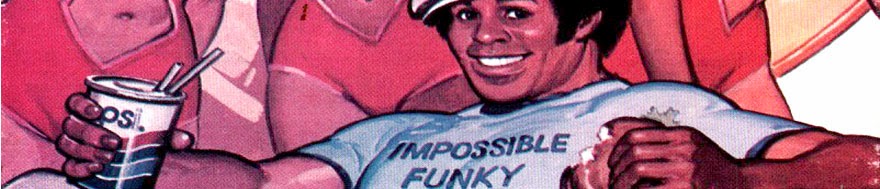
Mike White - Often mistaken for the ginger screenwriter/actor of the same name, Mike White is noted as a frequent contributor to publications such as "CinemaScope," "Paracinema," Detroit's "Metro Times" and Detour-Mag.com. White was featured in the documentaries "David Goodis: To a Pulp" and "The People Vs. George Lucas." He authored "Impossibly Funky: A Cashiers du Cinemart Collection" and weekly co-hosts "The Projection Booth" podcast.
"One of the most exciting aspects of this year is the broad and unique judges' panel we are providing for the filmmakers," states BWFF Judge Concierge Ryan Charron. "This allows them the opportunity to receive feedback from accomplished individuals with professionally diverse backgrounds who have had amazing careers in the film industry."
This year, comedian/actress and Michigan native, Loni Love (E Nework's "Chelsea Lately", Tru TV's "World's Dumbest..." and VH1's "I Love the '70s/'80s/'90s"), will kick off the BWFF with a live comedy performance at McMorran Place Theatre featuring her candid and outspoken stand-up on Friday, Oct. 5, 2012. Tickets ($10 in advance and $15 at the door) are on sale now at bluewaterfilmfestival.com, ticketmaster.com and the McMorran Box Office.
The 27 Michigan and Canadian-made Official Selections of the BWFF will be showcased at McMorran Place Theatre on Saturday, Oct. 6, 2012.
Visit www.bluewaterfilmfestival.com for more information.
Subscribe to:
Posts (Atom)